PUBLICATIONS
novels
LA LÁGRIMA. UNA FAMILIA QUE BEBÍA DE LOS VIENTOS
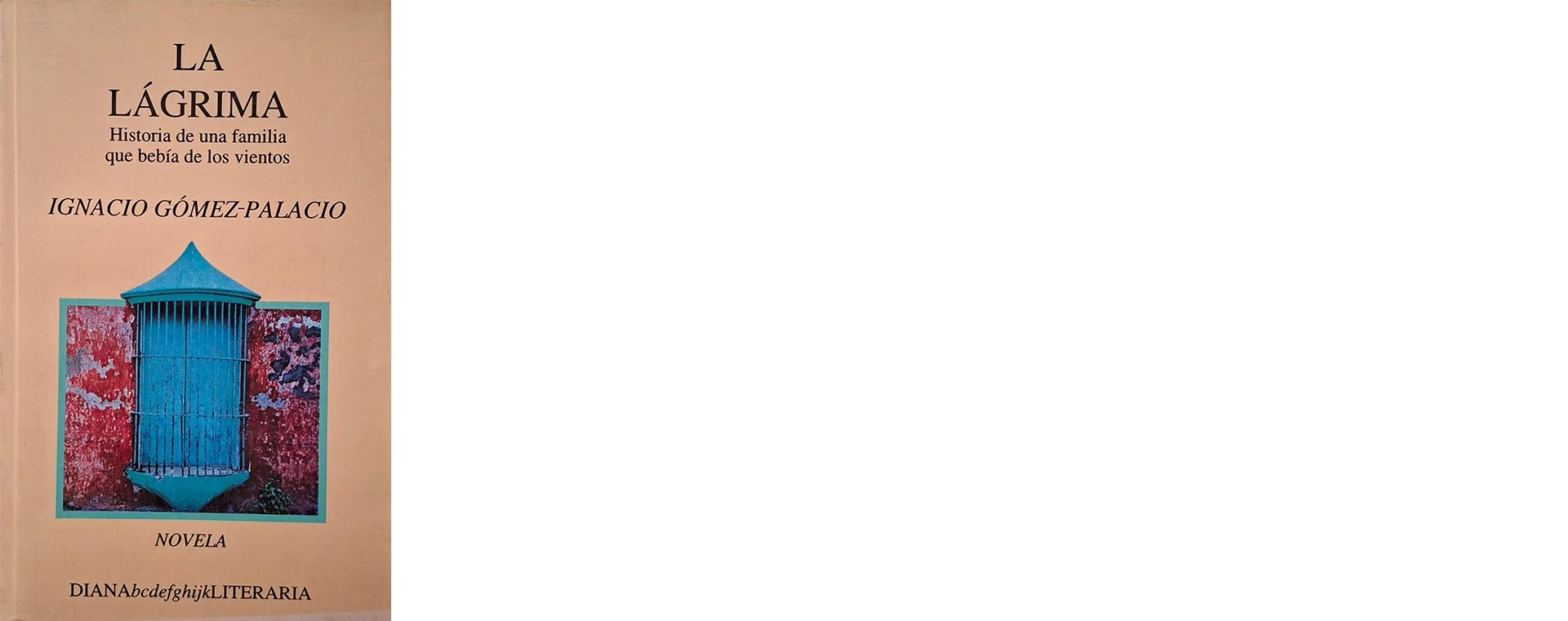
1997. Mexico, Editorial Diana, S.A. de C.V., Colección Diana Literaria. (510 pags.). Mexican family saga.
Saga of six generations of the García Izurrieta family, of Spanish descent, who establish a manor house in the State of Mexico, a cold region of majestic conifers. Because of the problems they face, the town names it: Hacienda de la Lágrima (The Hacienda of Tears). Three clearly distinct voices (the Spaniard, the Indian, and the mestizo) tell of sleepless nights, loves, passions, suspicions and a multicolored and cruel Mexico that resists conquest… the innocent Aunt Pía, the The Holy Trinity of Four, Justo Tercero’s canaries and other characters…. Decade after decade and up to the present day, the family confronts the challenge of an emerging nationality, confused about its own existence.
LA ARREGLADERA Y EL PANADERO SABEDOR
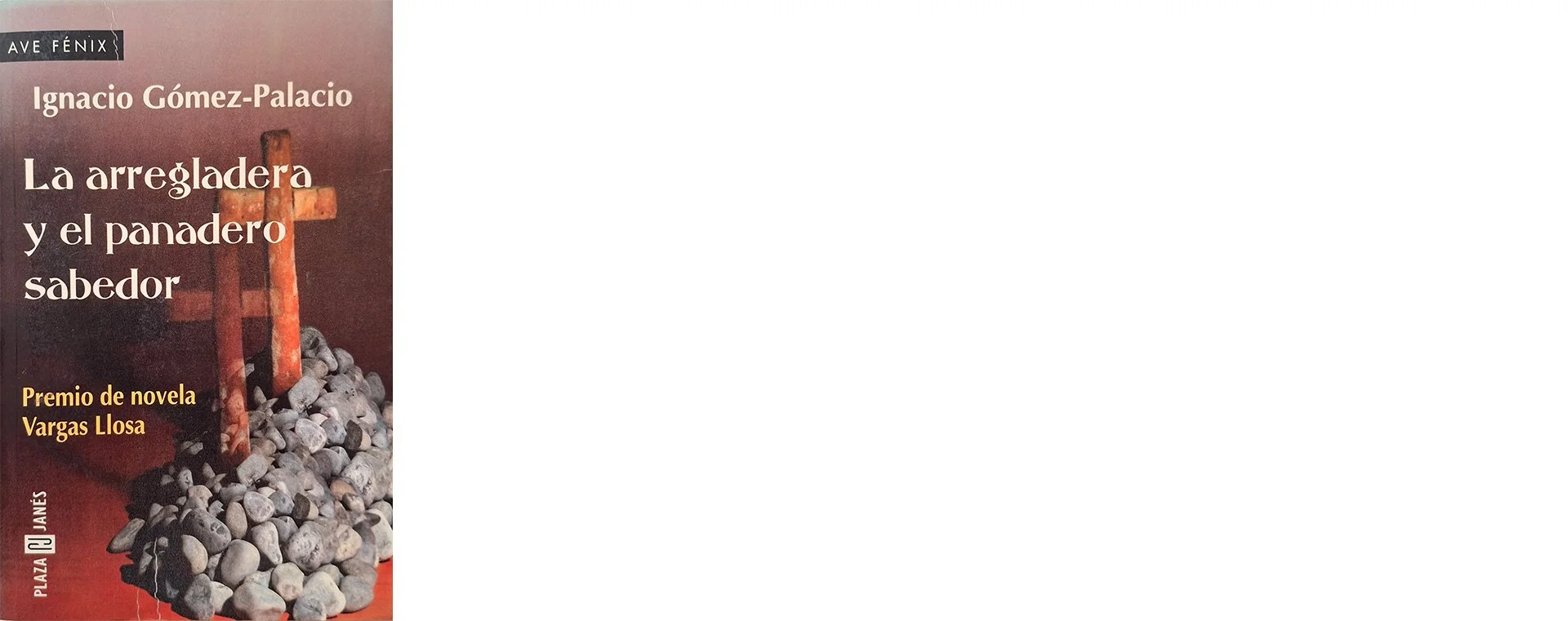
1998. Spain, Ediciones Libertarias Prodhufi. (157 pags.). Costumbrista theme. Surprising local costume.
2000. Mexico, Plaza & Janés Editores. (186 pags.).
The business of an arregladera (a woman who "fixes" mainly love affairs), her secret being that she doesn't charge, and the schemes of a baker (a know-it-all about little secrets), who is in charge of the civil and parish registers, tell the story of a town ruled by the corrupt practices that keep the official party in power. Public records are used to turn the lies entered therein into official truths; this contrasts with the secret truths known by the arregladera, which in public become gossip and therefore lies. A clever, playful novel — a stew of inheritances, Spanish institutions and small‑town idiosyncrasy, seasoned with the intervention of the beyond and intrigue that both exalts and confuses. It probes the problems of today’s Mexico: its people, its history and its inevitable future. The ironic narrative voice and surprising turns of phrase, make the literature an act of tasting and celebration. In 1997 it received in Spain, the Mario Vargas Llosa International Novel Prize.
EL DÓLAR Y LA VIRGEN. DOS DIOSES EN CONFLICTO
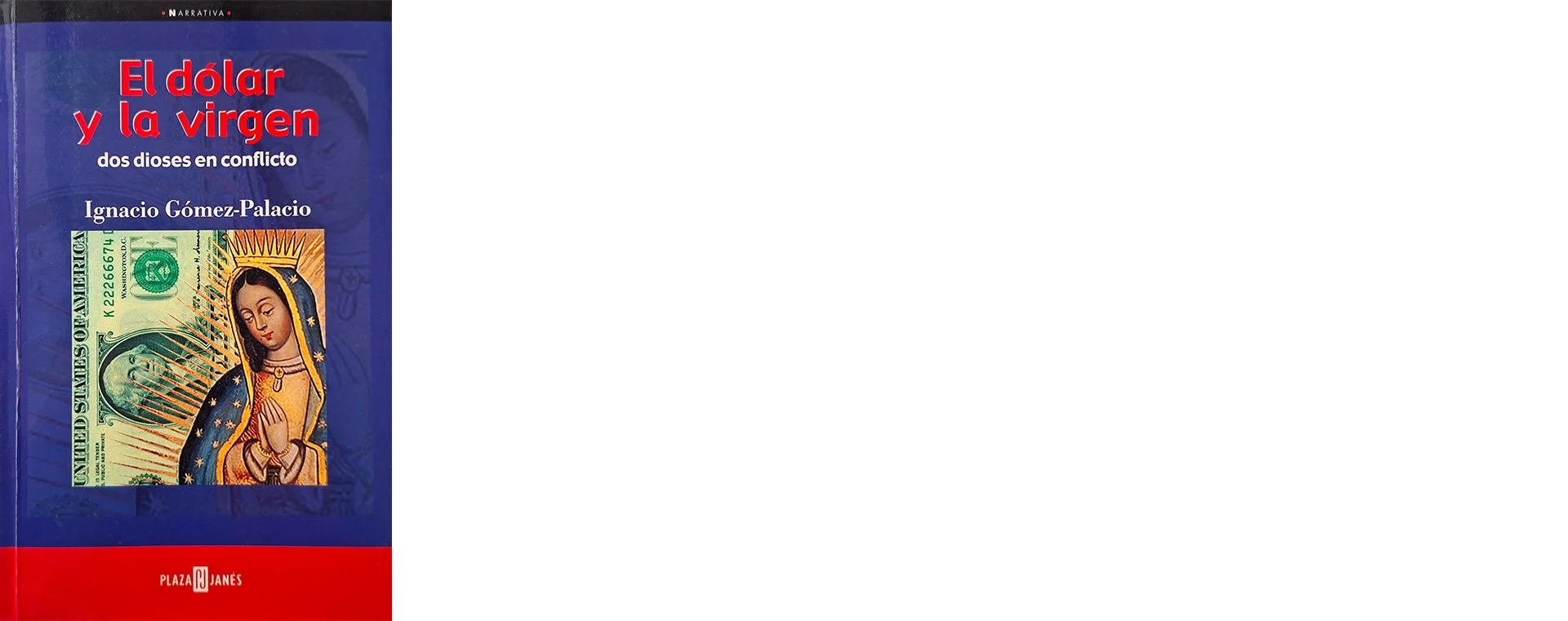
2000. Mexico, Plaza & Janés Editores. (289 pags.). Theme: USA/Mexico migration.
The Mexican (Virgin-culture) affirms: "...taking half of Mexico's territory is possible. What isn't possible is getting it so cheaply. The price of things, in the long run, in the long run, must be paid...." The American (dollar-culture) insists: "...Damn Catholics!, they always need someone to tell them the truth, they can't find it by themselves, like us, who read and think about the Bible without it having to be approved... they are flocks of sheep… who represent the culture of obedience… who follow the orders of the priest, the local boss, the government, and the Pope…” Demorada Perdomo, an old woman a meter and a half tall leads the North March with the Virgin's banner at the front. She heads for the border. To the protest. She belongs to the group of those screwed over. Those who cannot get a US visa, speak Spanish poorly, cannot have dollars, and every time they save some money, it gets devalued.... to make matters worse, they don't understand English and they look and smell like Indians.
EL FRANCOTIRADOR DE PALACIO NACIONAL
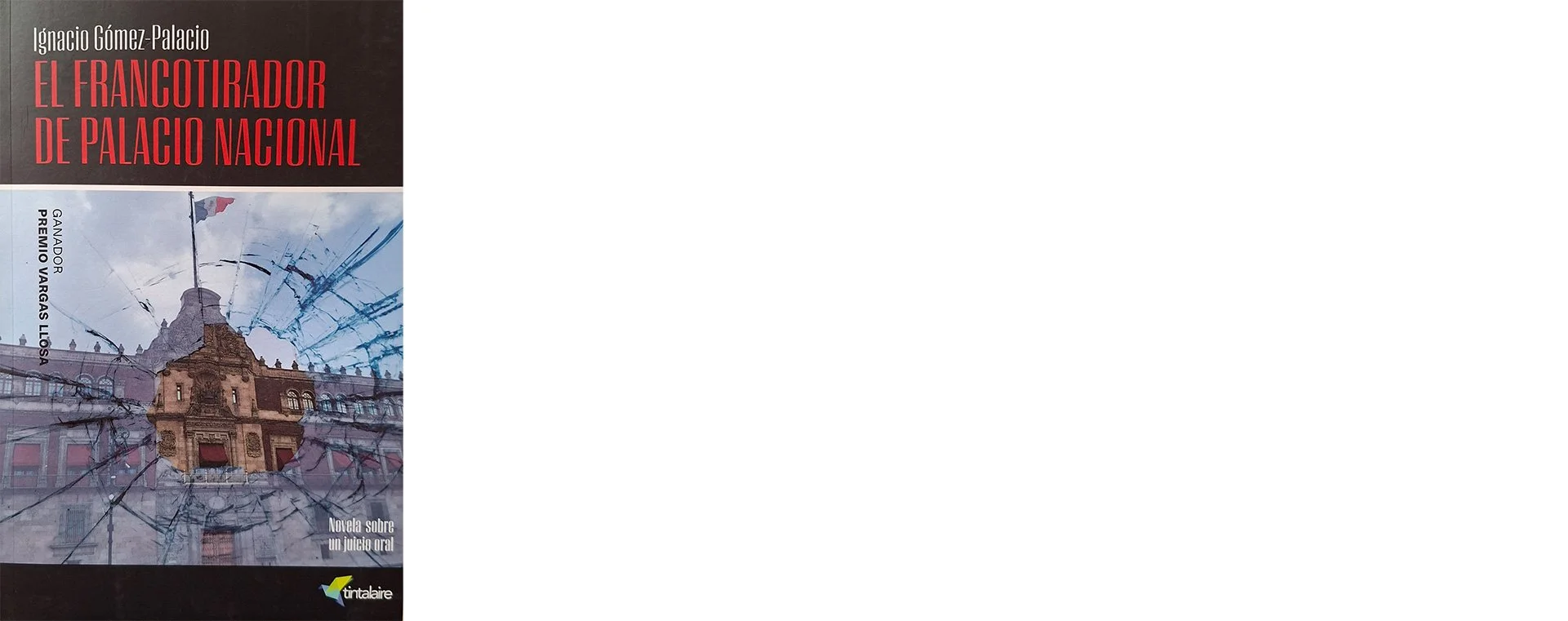
2018. Mexico, Tintalaire, (343 pags.). Book divided between a novel (213 pages) and the chronicle of the citizen movement that led to the establishment of oral trials in Mexico (129 pages). The author was crucial founder of said movement y Presidente de El Instituto Mexicano Para la Justicia, A.C.
The candidate for the Presidency of Mexico is murdered by a surprising sniper: a lawyer specializing in international taxation, a member of a prominent New York firm, a lover of detail and high fees. He carries out the homicide with the dice loaded in his favor: he murders with premeditation, treachery, advantage, and betrayal. Mexico’s newly adopted oral trial system is put to the test. The novel ends on page 216. What follows records the chronicle of the real events and their participants, related to the constitutional approval and establishment of oral trials.
El Catadamas
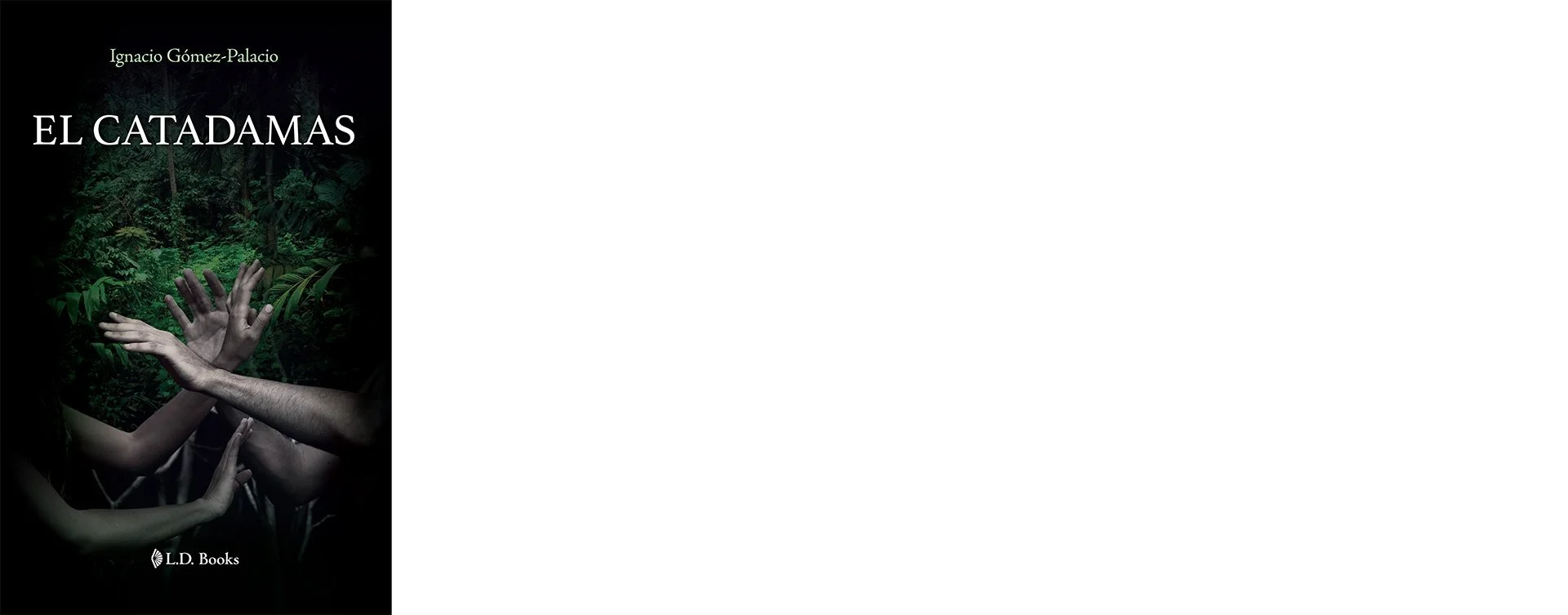
2021. Mexico. Story of a young German/Mexican, educated in Germany and in the coffee-growing region of Chiapas (Soconusco), who immerses himself in the customs of an indigenous group. (162 páginas). Private edition together with Editorial Lectorum, S.A. de C.V., 2021.
Godulfo is the son of an indigenous mother and a German father who names him—Gott (God) and Wolf (wolf). Godulfo wanders freely through the mountains, where he receives a message from the Supreme Lord urging him to visit a fissure beside a ceiba. There lives the Ajaw Kawil Qápoj, the old god, matchmaker advisor, who eventually makes him his successor and instructs him about his people, the Tentsunes, the “ghosts,” who became nomads after suffering harassment from Aztecs and Spaniards alike. Godulfo steals a sheep and angry Luther sends him to a military academy in Germany. Lauro, a lawyer from Mexico City, travels to Chiapas in 1959, where he is particularly struck by the figure of the single-god counselor of couples on sexual matters, nicknamed by the Spanish conquerors as the Catadamas, a derivative of the “cata” performed by the “catadores,” tasters of coffee and cacao. The wild Godulfo is expelled from his school in Germany and returns. He meets the old god and undergoes rigorous training. He is accepted by Tentsune couples who seek his counsel. A mistake forces him to flee to Mexico City, where the clash of the two cultures arises. Lauro takes him in and tries to integrate him into modern society. Eventually he ends up performing in a male striptease show. He is also hired as a gigolo. But he does not feel comfortable. Later he works as a schoolteacher, until the Zapatista movement of 1994 arises and he returns to the Soconusco.
STORIES
RAIZAL
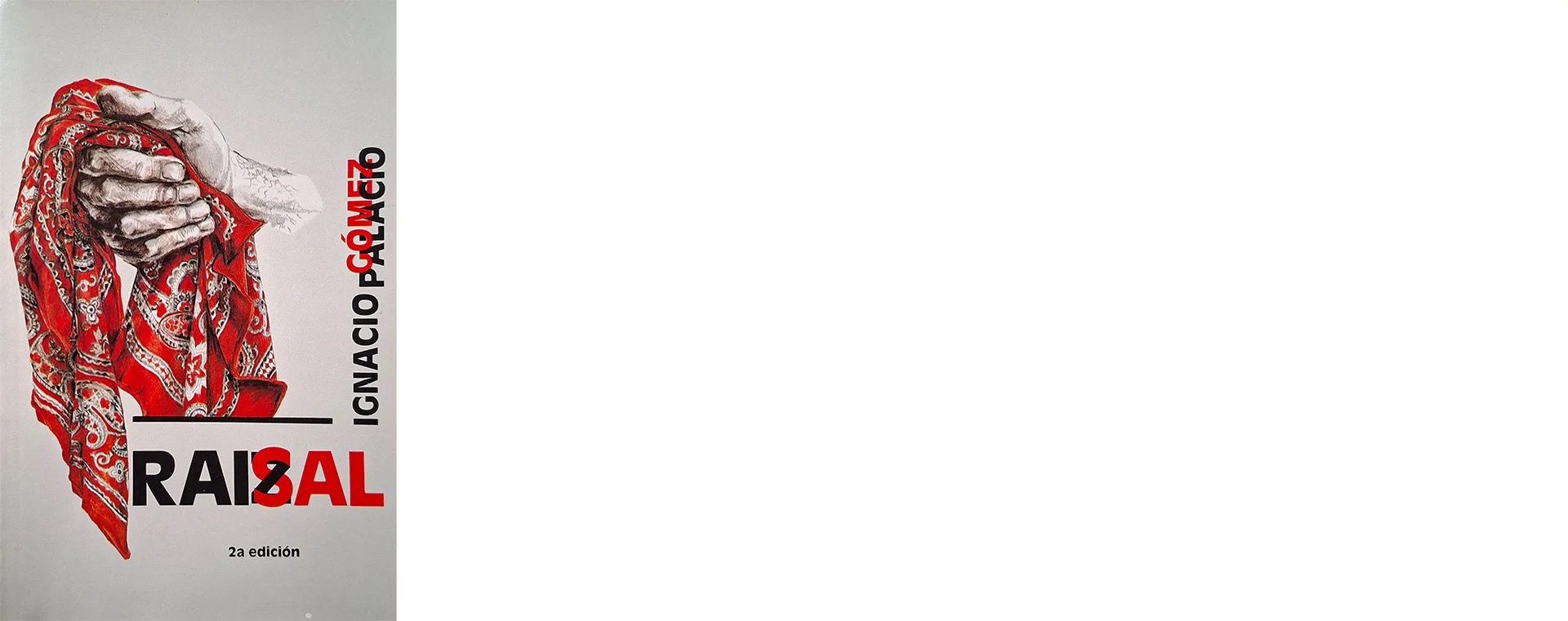
1989. Mexico, Harla, S.A. (hoy Oxford University Press). Colección de 10 short stories. (169 págs.) Costumbrista theme.
Truly original and well-crafted stories portray with wit and sharpness a human landscape that sometimes seeks its roots with naive joy and at other times is saturated with its own pain. Reading these tales allows one to get closer to that Mexico hidden within an extensive and multifaceted geography and history — a Mexico that most often is distant and unknown, to the detriment of what should be the seed of its national solidarity.
HISTORIAS NOMÁS
1991, Revista Confluencia, University of Northern Colorado, Primavera 1991, Vol. 6, No. 2, pag.201.
BLANCA NIEVES Y LA BRUJA CONCERTACESIONADORA
1997, Boletín Mexicano La Crisis, Núm. 78, jun. 14, pag. 54.
EL REINO DE LOS CÁNDIDOS ENCANTADOS
1997, Boletín Mexicano La Crisis, Núm. 81, jul. 8, pag. 53.
WITH A NOTE IN MY HAND
2005, Oregon Review of International Law, Primavera 05, Vol 7, pag. 304.
VALLE DE BRAVO
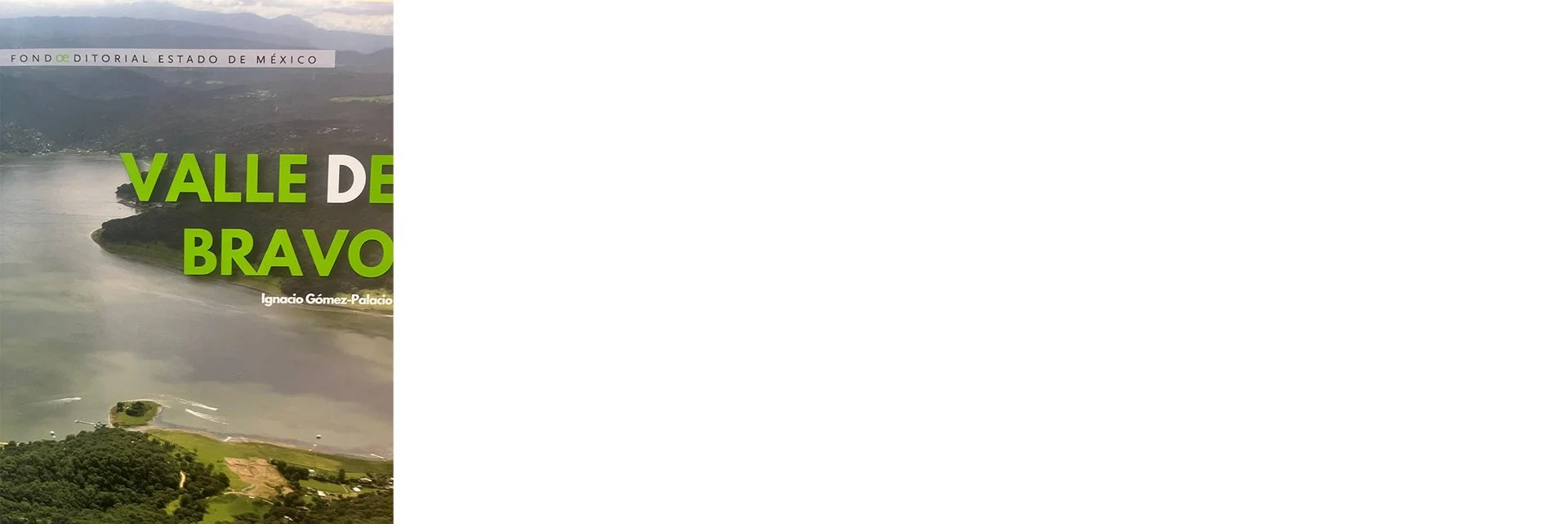
2017. México, Secretaría de Educación del Gobierno del Estado de México, Colección Mosaicos Regionales. (116 pags.) Historical-anecdotal text and photos.
Twenty brief stories and anecdotes, historical and contemporary, about Valle de Bravo, located in the State of Mexico, founded in the 16th century by Franciscan priests, where settlements of indigenous peoples already existed. Includes an index (The Smoking Bats, La Peña, It Was Not Easy, etc.) and photographs of what is today the most important tourist center near Mexico City.
POETRY
LA CUEVA DEL OBISPO
1996/97, Nombrario Namery, P.E.N. International, La Luciérnaga Editores.
SIN TÍTULO
1996, Correo Galego, Sec. Cultural, España, Santiago de Compostela, diciembre 96 pag. 46.
LA JUANA
1997, Many Mountains Moving , E.U.A., Vol. III, No. 2.
ESSAYS
LA ORTOGRAFÍA EN LOS TIEMPOS DEL KÓLERA
1997, Semanario Mira, jun. 4, p. 50 y 51.
LOS DINERITOS DEL REY DAVID
1998, Caja de Ahorros del Mediterráneo, España, publicación especial de esta institución.
EN EL PAÍS: DEMOCRACIA Y FEDERALISMO BISOÑOS
2009, Revista Equis, febrero, Num 34, pag. XIV.
EL VIEJO SABIO HOLANDÉS.
2009, contribución a la obra Cinco Libros en mi Vida, Universidad de Murcia, Cátedra de Literatura Hispanoamericana, pag. 197.
EDITORIALS
GARCÍA ABREGO, LA LEY Y LA FUGA
1996, Periódico La Jornada, enero 21, pag.12.
QUE LOS JODIDOS NO CIRCULEN
1996, Periódico La Jornada, febrero 4, pag. 45.
EL DESFASE DE LA JUSTICIA
1998, Periódico Reforma, Suplemento Enfoque, diciembre 13.
CANDIDEZ ANTIRREPUBLICANA
1999, Periódico Reforma, Suplemento Enfoque, enero 17, pag. 17.
OTHER EDITORIALS PUBLISHED ON SOCIAL MEDIA BETWEEN 2019 AND 2024
Editoriales semanales publicados en redes sociales (Linkedin, Twitter y Facebook). A partir de octubre 2019 y hasta Noviembre 2024. Los editoriales semanales se publicaron bajo el título “La Hormiga”. Todos pueden consultarse en el blog de esta página web.
TRANSLATED WORK
A NOTE IN MY HAND (CON EL PAGARÉ EN LA MANO)
2005, cuento, Oregon Review of International Law, volumen 7, Primavera 2005, pag. 304.
LITERARY CONFERENCES
1997, Sociedad General de Escritores de México;
1997, International P.E.N. Guadalajara;
1998, University of Louisiana, Literature Department;
1999, Cursos de Verano del Escorial, Universidad Complutense de Madrid;
2000, Encuentros en el Mediterráneo, Murcia, España, lectura del poema Juana Calzada;
2011, Simposium de Otoño, Homenaje a Mario Vargas Llosa, Murcia, España.
commentator
1990-2020, en radio y televisión en México.
LITERARY AWARDS
1997, Premio Internacional de Novela Mario Vargas Llosa 1997. Universidad de Murcia y Caja de Ahorros del Mediterráneo. España.
Internationalist and retired referee
1974/2012, Autor de 4 libros de derecho internacional, 1 de derecho electoral y 1 de derecho civil, publicados; y numerosos artículos de derecho.